Hold the ground you’ve already won back.
Pest-free islands, fenced sanctuaries and programmes close to eradication all depend on finding the last animal, and the next one to arrive. ORCA keeps a watch that doesn’t break and searches whole blocks at once, so rangers hear about a problem the day it starts.
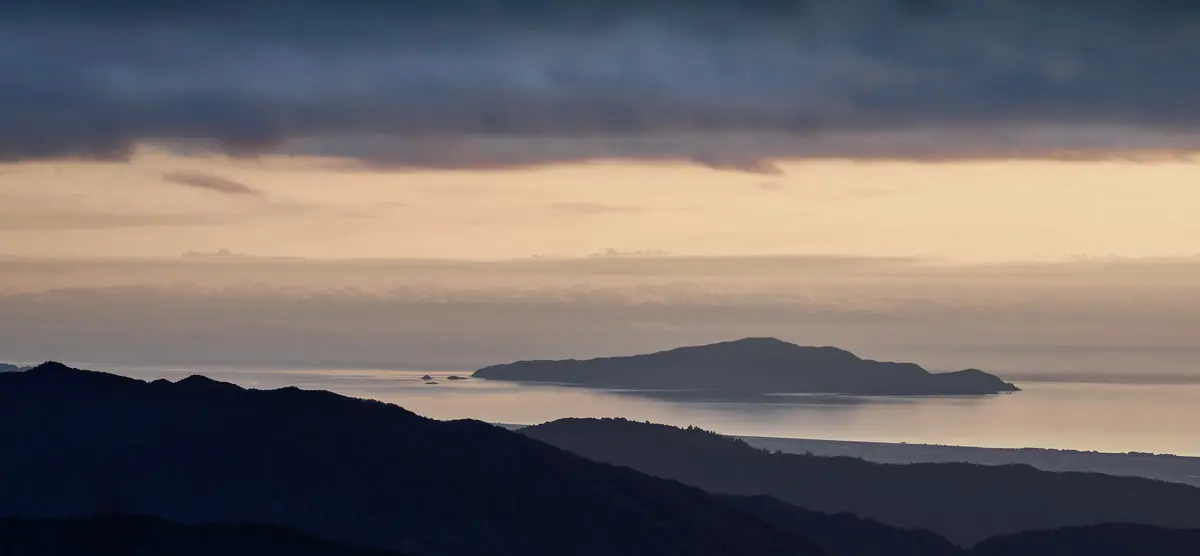 Kāpiti Island, at dusk
One animal can undo years of work.
After an eradication, a single incursion can take months and hundreds of thousands of dollars to resolve, and the species the work protects are exposed the whole time. Traps and cameras find animals eventually. The goal is to find them first.
2years
and more than 600 traps to clear three stoats from Motutapu and Rangitoto islands.
Source: 1News, May 20223shore plovers
killed by those stoats, from a species with about 250 birds left.
Source: 1News, May 2022What ORCA runs in conservation.
Each use case has its own page with a working demo, the outputs your team gets, and who it’s for.
Island watch
Drones take turns on the coastline so the watch never breaks, and an incursion is seen the night it lands.
See the demoLast-animal search
Search whole blocks for the last few animals, and keep eyes on a find until the ranger arrives.
See the demoPre-dawn counts
The whole block flown in one cold morning, so the count is taken at one moment.
See the demoBuilt around the moves one drone can’t make.
Your team sets the objective and makes every call on a find. The fleet does the flying, shares the work and keeps the record.
Built for
- Conservation agencies
- Predator Free projects
- Sanctuary trusts
- Iwi and hapū conservation teams
A watch that never breaks
Drones take turns to charge, so the coastline or fence line is always covered.
A find becomes a job
When one drone spots an animal, another keeps eyes on it while the search carries on.
One count, one morning
The whole block flown at once, so animals aren’t missed or counted twice as they move.
On the record
Coverage, finds and every gap explained, exported to ArcGIS and your reporting.
See ORCA on your conservation work.
Tell us about the ground you look after and where it’s hardest to cover. We’ll walk you through how a fleet would run it, and what a first trial could look like.